Why Succession Planning Must Top Advisors’ 2026 To-Do List
As 2025 comes to a close, most advisory firm owners, including myself, are once again carving out time to reflect on the past year. We review client service models, evaluate staffing needs, revisit technology decisions and assess profitability. Year-end planning is crucial for running efficient businesses and delivering superior outcomes for clients.
But there is one critical item that rarely makes it to the top of the list, if it appears on the list at all, and that is succession planning.
Recently, out of curiosity, I asked ChatGPT what steps financial planning firms should take during year-end planning. Succession and contingency planning showed up last. But I challenge you to reprioritize this for 2026.
According to the data, only 6% of advisory firm founders planning to retire within the next decade have a documented succession plan. We also know that fewer than 20% of advisory firm transitions succeed. When I see numbers like these, the conclusion becomes clear: succession planning cannot be something we “get to later.” It must sit at the very top of the year-end agenda.
A Founder’s Perspective
Like many founders, I wear a lot of hats, including advisor, business owner, manager, mentor and strategist. When I launched my firm, WealthChoice LLC, nearly nine years ago, my focus was singular: to serve breadwinner women with exceptional financial guidance and build a firm that aligned with my values. I didn’t know then how the business would grow, what kind of team I would build, or how deeply I would come to love the work we do.
But the firm did grow. It thrived. Our client base expanded every year, our team grew to meet demand, and we continued to refine our service model for our niche. And while all of that was incredibly rewarding, something else happened, too: I aged.
This year, at 61 years old, I began the formal journey of mapping out the long-term future of my firm.
Not because I’m ready to retire. I’m not. Far from it. I love our clients, I love this industry, and I love the purpose-driven work we get to do every day. But I also understand the responsibility I have to my team, my clients and myself. If I want WealthChoice to continue thriving, I need a plan for what happens next, years before any transition occurs.
Rethinking the Term “Succession”
I often hear founders say, “I’m not retiring anytime soon, so I don’t need to think about succession yet.” But succession isn’t just about retirement. It’s about ensuring that your firm, the business you built, will continue to deliver on its mission long after you decide to step back or shift roles.
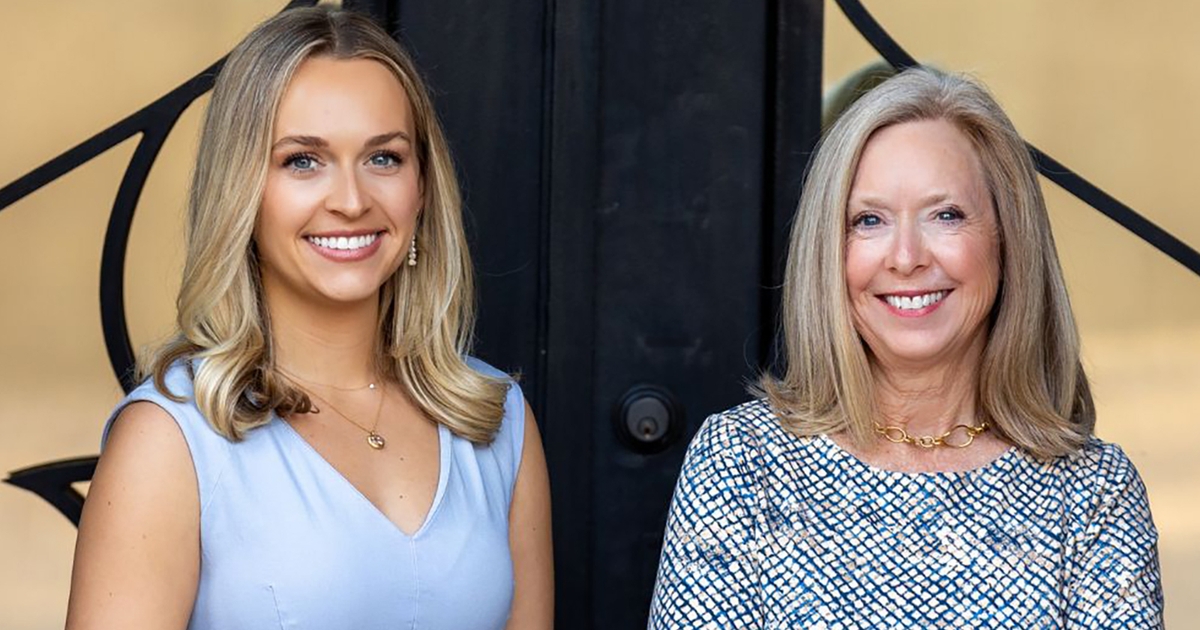
This year, our conversations centered on identifying and confirming my successor. For us, the answer was clear: my daughter, a Gen Z advisor who joined the firm excited to learn, grow, and one day lead. Our clients embraced her fully, and as a founder, there is nothing more affirming than seeing your successor connect meaningfully with the people you’ve served for years.
Choosing her as the future leader is only one step. A successor requires mentorship, training and time to become fully prepared. But this investment pays dividends. Research consistently shows that internal successors who are intentionally developed over time create smoother, more successful transitions.
Succession Plans Must Evolve Alongside the Firm
One of the biggest misconceptions is that once a succession plan is drafted, the work is done. But in reality, a succession plan is dynamic. It must evolve as your firm evolves.
This year alone, WealthChoice added new staff, implemented new processes, and introduced new service resources. Our client base grew; our AUM increased. All of these changes affect the succession strategy, including roles, responsibilities, valuation and eventual buyout terms.
That’s why part of our 2026 planning includes a fresh valuation of the firm. Accurate pricing is essential not only for fairness but also for setting realistic expectations and crafting a financially sustainable transition plan. We also plan to implement an equity strategy as our successor steps deeper into leadership.
A succession plan should reflect your firm’s current state, not its position at the time the plan was drafted. Year-end is the perfect time to reassess progress, identify gaps and outline the next steps.
Looking Back to Look Forward
When I reflect on the past decade, I am proud of what we have built: a thriving firm, a meaningful niche, work that changes lives and a business that has provided an incredible lifestyle for my family.
But protecting that legacy matters just as much as building it.
Succession planning is not a one-time exercise. It is a strategic, iterative, multi-year undertaking. And because of its importance, it deserves to be at the top of every founder’s year-end list.
A Call to Action for Firm Owners
As you finalize your 2025 year-end planning, I encourage you to look beyond operations, technology and client service and ask yourself:
-
Do I have a documented succession plan?
-
Has it been updated to reflect my current firm?
-
Have I identified and begun developing a successor?
-
Does my plan support the sustainability of my mission, culture, and client experience?
-
Am I taking at least one step forward on this plan each year?
Your firm, your clients, and your future deserve the same level of intentionality you bring to every financial plan you create.
Make succession planning a priority every year, both this year and moving forward.



Post Comment