Fed Policy, Inflation, and Global Supply
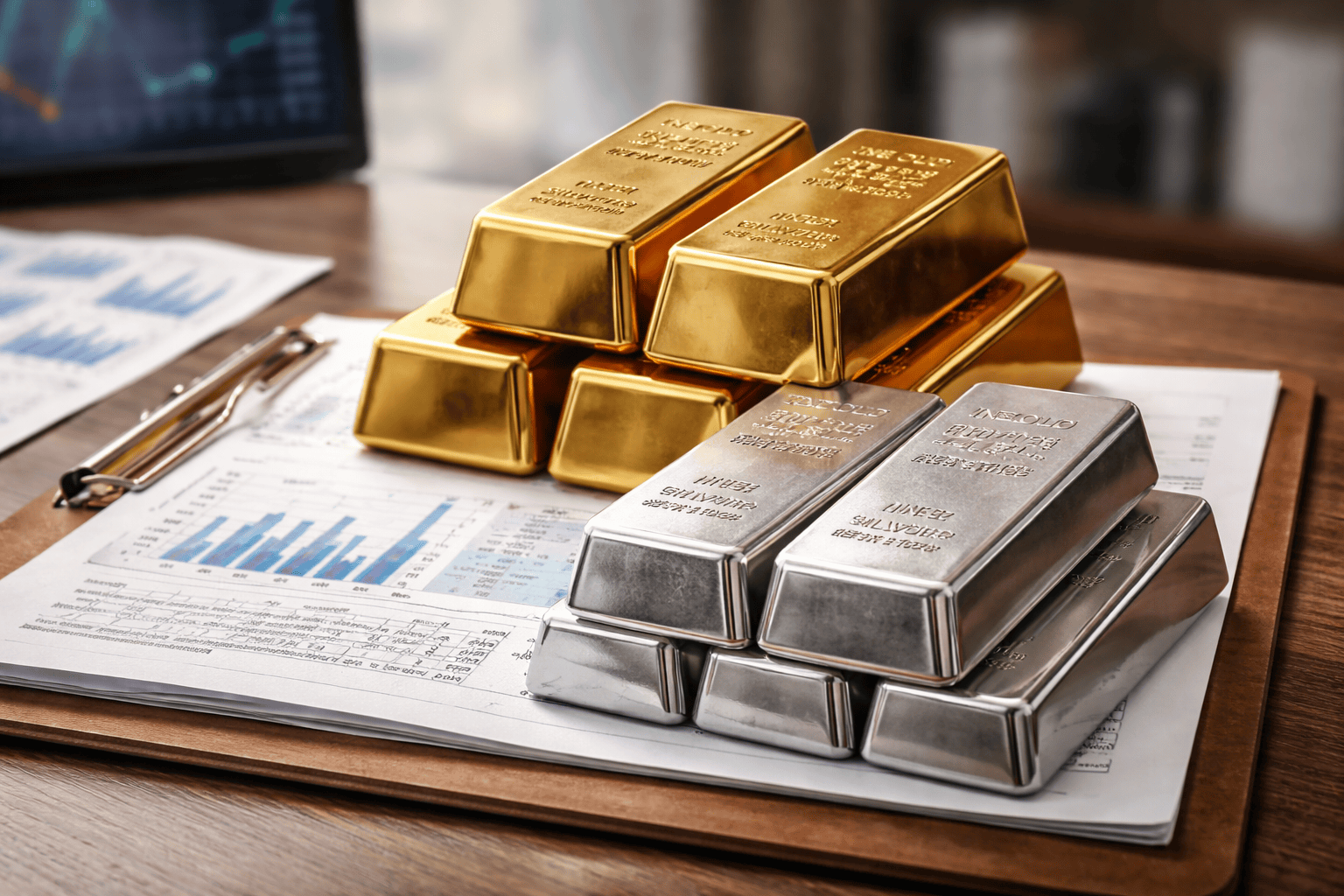
Daily News Nuggets | Today’s top stories for gold and silver investors
January 6th, 2026
Morgan Stanley’s Bullish Gold Forecast — $4,800 by Q4 2026
Morgan Stanley raised its long-term outlook on gold this morning, forecasting bullion could reach $4,800 per ounce by the fourth quarter of 2026. That would push prices well beyond 2025’s record close near $4,550/oz.
The bank cites a powerful mix of forces: lower interest rates, possible changes at the Federal Reserve, steady central-bank buying, and ongoing demand for safe-haven assets. Together, they create a backdrop that looks increasingly supportive for gold.
Rate cuts are back on the table. As a result, gold’s lack of yield matters far less than it once did. Bullion now looks less like a speculative trade and more like a hedge markets may still be underpricing.
How to Add ‘Crisis-Proof’ Returns to Your Portfolio It’s beaten stocks in every major downturn—and most investors still don’t own enough.
Silver Climbs 5% as Prices Break Above $80
Not to be outdone, silver surged another 5% today, pushing prices above $80 per ounce and extending the metal’s powerful rally into early 2026.
After gaining 147% last year, silver continues to outperform as investors pile into hard assets, amid shifting rate expectations and tight supply.
The move highlights growing momentum in silver, which often amplifies gold’s trends during late-cycle and inflation-sensitive periods.
Oil Prices Slip as Supply Outlook Looks Ample
Oil prices fell Tuesday as evidence continues to mount that global supply is outpacing demand. Brent and WTI declined as abundant supply and softer demand drove prices lower.
Meanwhile, the possibility of increased Venezuelan crude exports adds another layer of downside risk. Meaningful capacity growth would take years. Still, the prospect alone reinforces the idea that energy markets are no longer tight.
Lower oil prices help pull headline inflation down and strengthen the case for easier monetary policy. That’s supportive for bonds and gold — and less helpful for commodities tied directly to economic growth.
The broader takeaway: disinflation may be doing the Fed’s work for it, allowing markets to price in rate cuts with growing confidence.
Investing in Physical Metals Made Easy
Copper Sprints to New Records on Supply Squeeze & Tariff Fears
Meanwhile, copper prices surged to fresh records, breaking above $13,000 per ton on the London Metal Exchange, as inventories tighten and tariff-related stockpiling accelerates.
Years of underinvestment in new mines are colliding with rising demand from infrastructure, electrification, and technology. With long lead times for new supply, the market’s structural deficit is becoming harder to ignore.
That’s why traders continue to watch “Dr. Copper” so closely. Unlike oil, copper often reflects real economic strain rather than excess capacity. Its rally signals that supply constraints — not weak demand — are driving prices higher.
The divergence is striking: energy markets suggest disinflation, while industrial metals hint at bottlenecks and long-term scarcity. Together, they paint a picture of an uneven, fragile global economy.
And beyond prices and charts, political change is beginning to reshape the physical supply of precious metals as well.
Gold Miner Eyes Venezuelan Comeback After Maduro’s Fall
Gold Reserve, a small Canadian miner, says Venezuela’s political upheaval could reopen the door to assets expropriated under the Nicolás Maduro government. The company has spent years pursuing claims tied to two major deposits — Brisas and Siembra Minera — taken decades ago.
Brisas alone is estimated to hold roughly 10 million ounces of gold, making it one of the largest undeveloped projects in the region. At current prices, the deposit would be worth tens of billions of dollars.
Shares of Gold Reserve jumped on the news, as investors priced in the possibility of renewed negotiations, development partnerships, and eventual production under a new political framework.
Beyond the company itself, the story highlights a larger point: geopolitical change can alter the global supply outlook in ways markets rarely price in ahead of time. If Venezuela’s mining sector reopens meaningfully, it could add supply over the long run — even as gold prices sit near record highs.



Post Comment