Why Brassfield Estate Lets Animals Roam Its Vineyards
Welcome to 3p Happy Hour! As we all eye the exit door on Friday afternoons, we’re raising our glasses to the sustainable wine, beer and spirits brands serving up stiff sips with less environmental impact while benefiting communities.
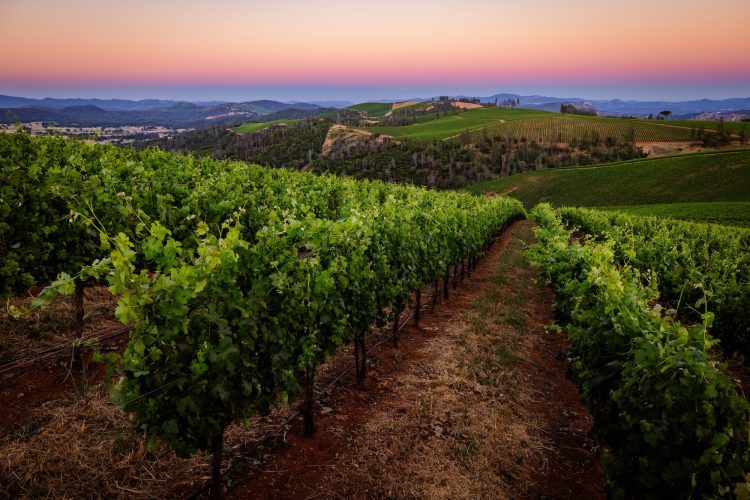
Wine is a liquid expression of place, and Northern California’s Brassfield Estate Winery is a special spot. It boasts elevations ranging up to 3,000 feet, massive temperature fluctuations and even an ancient volcano. Purchased as part wildlife preserve, part cattle ranch, the winery has retained the critter component of the deal. Only a fraction of its 5,000 acres is used for vineyards, leaving abundant space for animals like black bears, deer, turkeys, kestrels and bald eagles.
Such actions matter, since California is a biodiversity hotspot containing over 30 percent of all plant and vertebrate species in the United States. Unfortunately, many factors threaten the animals roaming the Golden State, including habitat loss. Providing space in working landscapes for wildlife, like at the Brassfield Estate Winery, can help boost biodiversity.
Besides defending fauna, the winery also conserves water and energy, composts winemaking byproducts and uses lighter-weight bottles. As a result, both the winery and the vineyard received the California Sustainable Winegrowing Alliance certification in 2023. The program requires businesses to meet a set of third-party verified social and environmental standards. In turn, the gentler environmental footprint and aptitude for animals benefits the company, showing that wildlife and wine truly are an exceptional pairing.
Bugs, bottles and biodiversity
Founded in 2001, Brassfield Estate Winery produces a diverse portfolio — including cabernet sauvignons, chardonnays and zinfandels — marked by a few untamed notes.
“Only 10 percent of this property is planted with the grapes,” said Jonathan Walters, vice president of vineyard and winery operations at Brassfield Estate Winery. “A lot of it is open spaces and wildlife areas and corridors. We have about 200 acre feet of standing water on the property, so we actually have duck boxes and a little duck pond. The animals have always been a major part of our story in our area here.”
These animals are an ally for the winery, especially with pest control. “We have a number of bat houses around the property, and with all the water that we have, this is a huge haven for them,” Walters said. “We don’t have a lot of insects up here that do a lot of damage, so [bats are] definitely a part of the ecosystem up here.”
Research has found that both bats and birds are effective in suppressing insect damage and increasing yields in vineyards.
Besides insect pests, small mammals like gophers and voles can gnaw on grapevine roots, trunks, and bark, and chew through plastic irrigation lines. The winery relies on its abundant wildlife to tackle this problem. For instance, it put up hawk stands and owl boxes to attract avian predators, which in return, reduce populations of pesky mammals.
Vines and wild neighbors
The winery’s expansive property also helps manage pests like common bacterial and fungal diseases that affect vines, such as Botrytis bunch rot, Pierce’s disease and powdery mildew.
“Our west side is actually a mountain range, and then there’s the lake, Clear Lake, on the other side,” Walters said. “So there’s not a lot of pest pressure coming in from our neighbors, which has reduced our spraying. Also, with us not planting vineyards back-to-back on top of each other, things don’t spread. Bugs don’t move as quickly, and mildew, molds, and rots have not really been an issue.”
A study of Spanish vineyards found pest outbreaks were four times higher in simple landscapes dominated by vineyards versus those with a mixture of vineyards and semi‐natural habitats. Natural areas can hinder the population growth and spread of pests while also supporting their natural enemies and providing an alternative food source to crops. While not every vineyard has thousands of acres to spare, even adding small amounts of native vegetation — such as flower strips, windbreaks or hedgerows — can suppress pests.
Ultimately, relying on these natural sources of pest control reduces the need for chemical pesticides. This is beneficial because the chemicals damage the environment by eroding the soil, causing pollution and reducing biodiversity. They can also harm human health.
Challenges of conservation cabs
The wildlife roaming the Brassfield property brings a lot of perks, but also a few tradeoffs, including their surprisingly refined palate.
“The bears like to eat grapes,” Walters said. “We’ve just learned to adapt to their damage, right? It is what it is. We like having them around. They’re a cool story. They’re just amazing creatures.”
Consequently, the winery tries to harvest the grapes quickly enough before the bears can get to them and also changed which grape varietals it plants.
“I tend to say they’re kind of bougie bears,” Walters said. “They like the fruit that doesn’t taste green. They like Tempranillo, Syrah and Malbec. The bigger-berried, non-green varietals. We had a Tempranillo block we actually had to rip out because they just ate it all every year.”
Bears are not the only wine connoisseurs roaming the grounds. Deer also have a taste for grapevines. “We have to keep them out of the vineyards in the springtime,” Walters said. “We don’t want them chewing on the new growth because that’s where the fruiting buds are.”
To do so, the winery installed deer fencing around its vineyards that closes during the growing season.
Animal appetites aside, the declining demand for wine itself is a problem. “Right now, the wine market is not in the best spot,” Walters said. “Luckily for us, we’ve been successful this year in increasing our sales.”
The wine industry is facing headwinds, but the overall demand for sustainable products isn’t slowing down. And for Brassfield, sustainability encompasses more than the bottom line.
“Sustainable, to us, is much bigger than just an icon on a wine label,” Walters said. “It’s about the people, too. We have a dozen people who have been here for 15 years … Sustainability is making sure our business is going to be here for another 100 years … You should be doing it because you believe in it and it’s best for what you’re doing in the land.”


Post Comment