Wealth Management Must Evolve Advice Over Technology
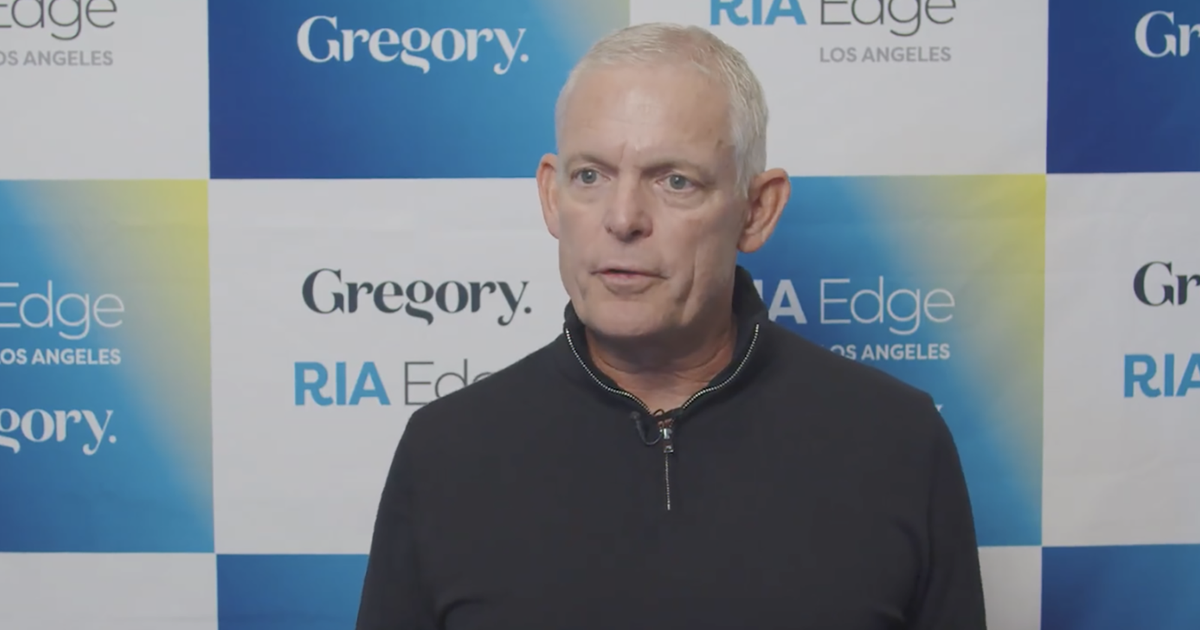
Jeff Coyle, founder and CEO of Libretto, explains why the real frontier in wealth management is not more technology but better advice. He outlines how total wealth planning, intentional allocation and personalized risk management can move the industry beyond traditional tools and help clients understand the true purpose of their wealth. It is a clear call to evolve the quality of advice.
Read the full raw transcript below:
Technology vs. Advice in Financial Services
But I think the first thing is to recognize, you know, I think our industry has done a really good job of creating technology. In fact, even at this conference, we talk a lot about AI, but AI is kind of an overlay, and you can over maybe overly simplify and say what it’s really doing, it’s expanding someone’s margins because they’re going to be more efficient, because they’re creating bots that do employee work and streamline things. But the key thing about what we deliver as an advisor is we actually deliver advice, and that’s the area of our business that is yet to really evolve and that’s actually what we’re focused on, you know, because in fact, Libretto, which is what we do, you’re actually designed to manage the wealth of the most affluent families.
Mission and Approach
And which is nice, but our mission is actually to bring those methods to all clients, and we’re having a lot of success now. Why do I say start that way? Well, the reason is, is when we manage client wealth differently, we actually can move beyond a risk questionnaire, a Monte Carlo simulation, and what we can do instead is we can actually apply a liability framework to implement planning and help people to allocate their wealth with intention.
Total Wealth Portfolio Concept
We can build total wealth portfolios and we’re incorporating every resource of the family into a comprehensive solution. We’ll fold their Social Security into their structure as an inflation-protected bond. The human capital, the present value of their human capital, they’re operating businesses. So when you think about a portfolio, it’s not a standalone. It’s not a, let’s say a 64, the result of a questionnaire. It actually behaves more like a completion fund. It recognizes those other resources and then fills in the voids to create a comprehensive solution.
Understanding True Wealth
Now you step past that, and now the question is, well, now, now somebody actually understands their total wealth, and probably the 1st, 1st time, most mass affluent families are probably worth almost twice of what they think about, what they know, think they are, and the reason for that is they don’t understand or appreciate the value of their Social Security, any remaining value of their working years, that’s their human capital, or maybe an inflow from a generation above them. So then the question then is, well, how do you allocate that?
Intentional Wealth Allocation
And so this is not a goal, it’s more, how can you be intentional about allocating your wealth? How much would you like to dedicate to your personal lifestyle? What would you want to accomplish with your family? How would you affect society? And so now we actually understand the purpose of the wealth, and then all we need to do is help their clients to prioritize those things. And not only do we know the purpose of their wealth, but we also know the timing and risk suitability are characteristic of every dollar they spend. Now we can do some really interesting things. We can build, uh, we can take every one of those dollars, match suitable asset allocations, and build them a total wealth portfolio incorporating all the resources.
Comprehensive Risk Management
And these are just advanced methods, and these advanced methods, they apply, they extend beyond a portfolio. It also extends into risk management, because when you think about risk. Yes, we have portfolio risks, but we also have the risks to our businesses and our properties, death, disability, personal liability, long term care. These are all risks that threaten their actual financial success. And when you step back from it, Monte Carlo doesn’t address most of these risks, and this is where comprehensive risk management that’s personalized really comes into play.
Risk Management Tools and Strategies
So what we can do instead is we can put a hedge in place. It’s the most powerful tool in risk management, and we can immunize someone’s essential spending for the rest of their life. And now they can endure pretty much what the world throws at them. That changes the way they live on a day to day basis. We can also insure things but do it systematically, insure their businesses, their properties, their human capital, their personal liability. We can put protective reserves in place, small pools of money that buy them time, so that as an example, if you lose your job in a downturn, you’ve got the time to retrain, find another job at a similar level of income, and start saving again. So there are other tools in risk management.
Industry Evolution and Core Value
So when we think about this, is understanding total wealth matters. How you allocate that wealth matters, but you want to do it with intention. How you apply risk management to that matters, and all of these are just the next generation of methods. And so when I think about our industry, we’ve done a really good job of building technology, um, but we need to evolve our methodology. Um, because ultimately the fundamental value we deliver to clients is advice. We’re helping them to have a successful financial life and a life of meaning and well-being, and that’s what we do. And so that’s what we’re dedicated to is evolving the quality of advice.



Post Comment