Internet-Connected Consoles Are Retro Now, And That Means Problems
A long time ago, there was a big difference between PC and console gaming. The former often came with headaches. You’d fight with drivers, struggle with crashes, and grow ever more frustrated dealing with CD piracy checks and endless patches and updates. Meanwhile, consoles offered the exact opposite experience—just slam in a cartridge, and go!
That beautiful feature fell away when consoles joined the Internet. Suddenly there were servers to sign in to and updates to download and a whole bunch of hoops to jump through before you even got to play a game. Now, those early generations of Internet-connected consoles are becoming retro, and that’s introduced a whole new set of problems now the infrastructure is dying or dead. Boot up and play? You must be joking!
Turn 360 Degrees And Log Out
Microsoft first launched the Xbox 360 in 2005. It was the American company’s second major console, following on from the success of the Xbox that fought so valiantly against the Sony PlayStation 2 and the Nintendo GameCube. Where those sixth generation consoles had been the first to really lean in to online gaming, it was the seventh generation that would make it a core part of the console experience.
The Xbox 360 liked to sign you straight into Xbox Live the moment you switched on the console. All your friends would get hear a little bling as they were notified that you’d come online, and you’d get the same in turn. You could then boot into the game of your choice, where you’d likely sign into a specific third-party server to check for updates and handle any online matchmaking.
The Xbox 360 didn’t need to be always online, it just really wanted you to be. This was simply how gaming was to be now. Networked and now highly visible, in a semi-public way. Where Microsoft blazed a trail in the online user experience for the console market, Sony soon followed with its own feature-equivalent offering, albeit one that was never quite as elegant as that which it aimed to duplicate.
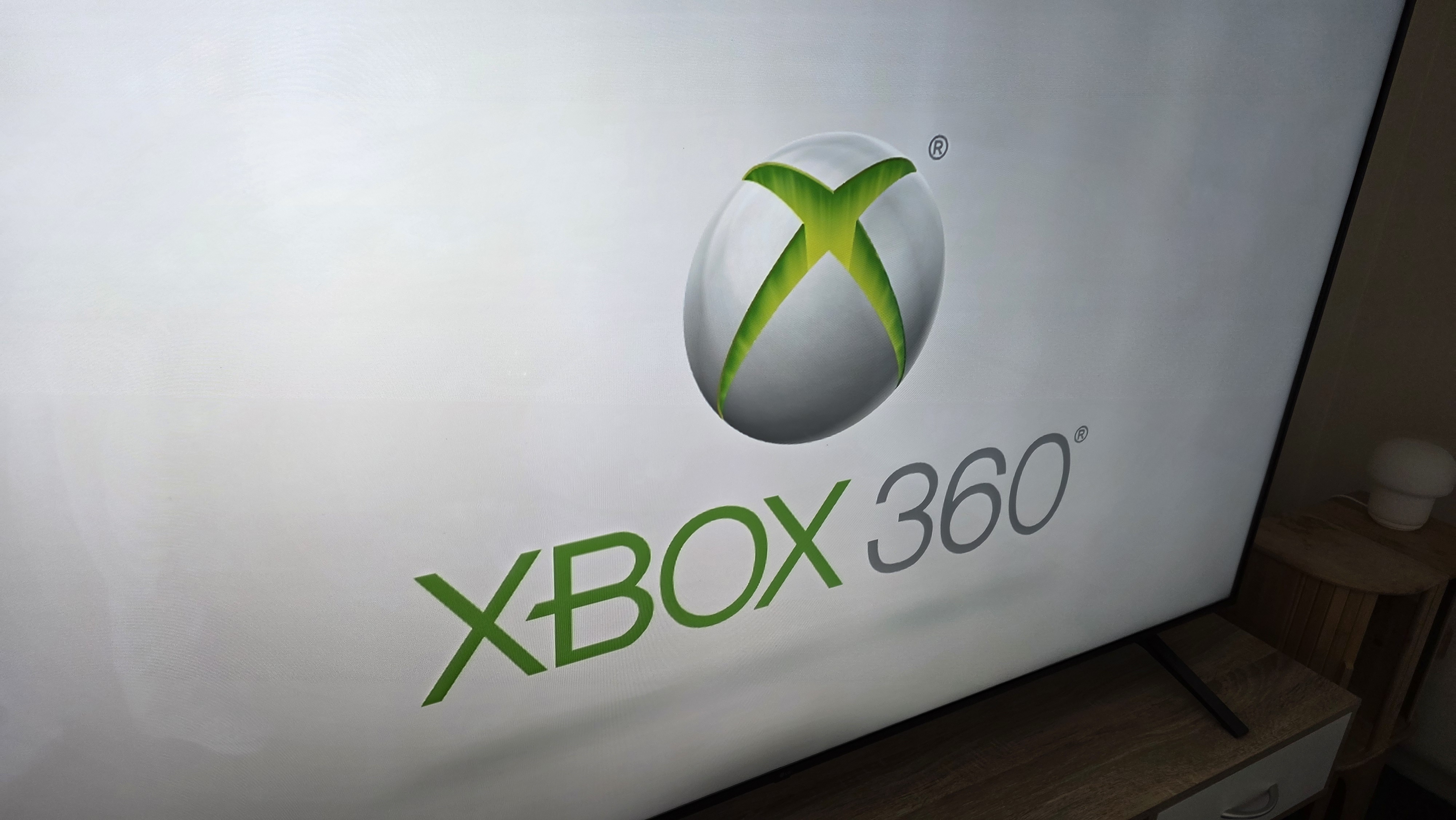
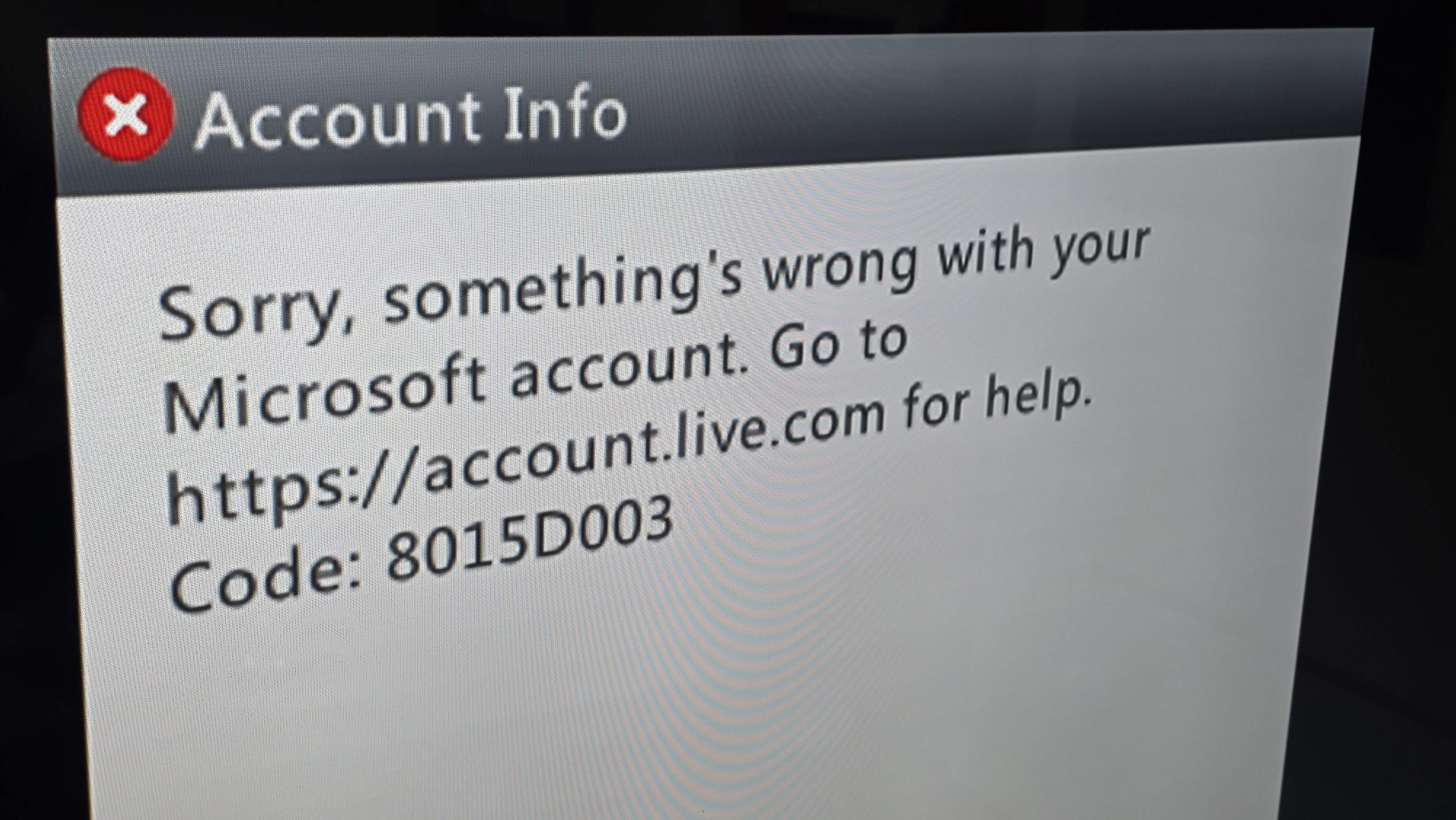
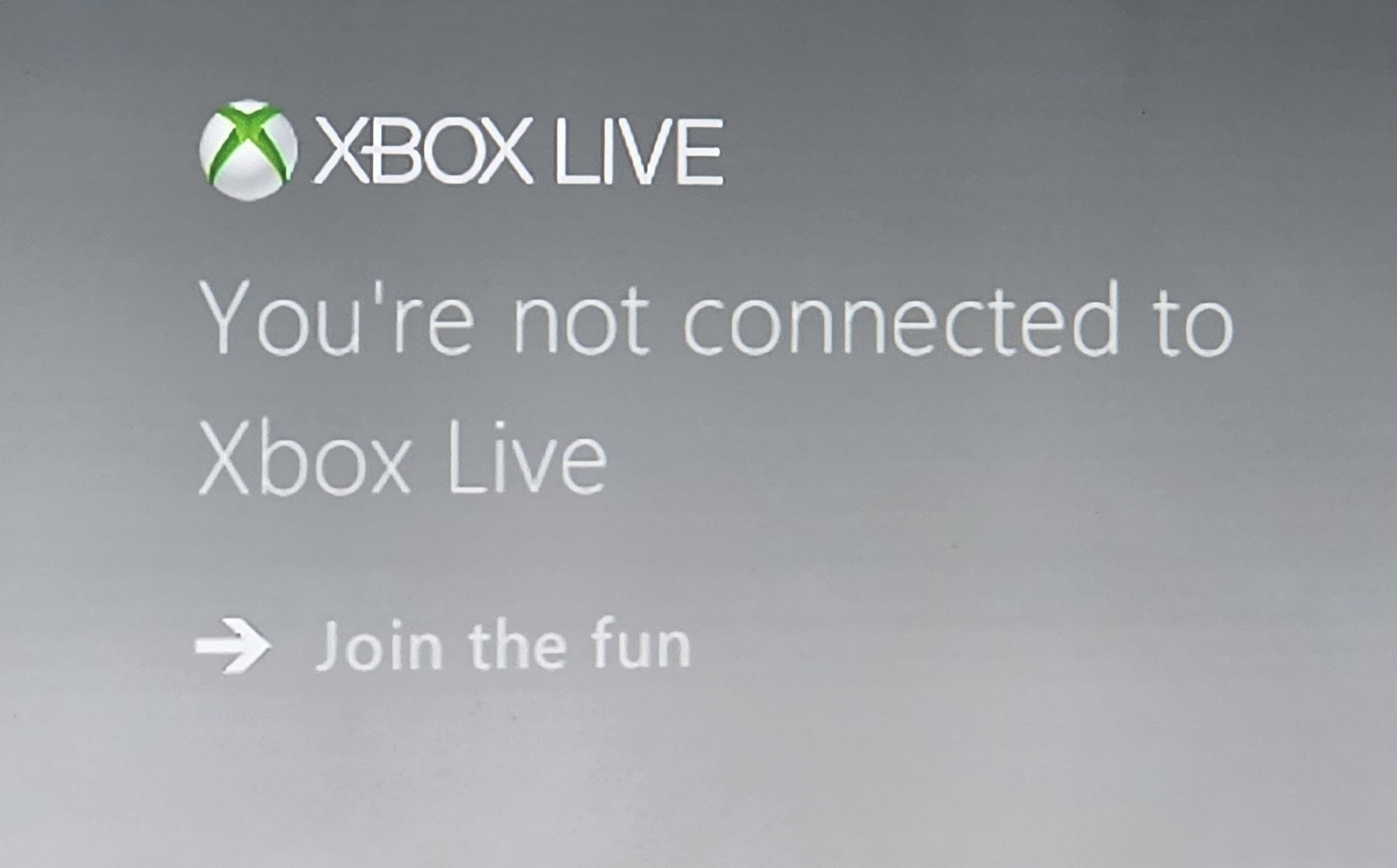
Fire up an Xbox 360 today, and you’ll see that console acting like it’s still 2008 or something. It will pleasantly reach out to Microsoft servers, and it will even get a reply—and it will then prompt you to log in with your Xbox Live or Microsoft account. You’ve probably got one—many of us do—but here lies a weird problem. When you try to log in to an Xbox 360 with your current Microsoft account, you will almost certainly fail! You might get an error like 8015D086 or 8015D000, or have it fail more quietly with a simple timeout.
It all comes down to authentication. See, the Internet was a much happier, friendly place when the Xbox 360 first hit the shelves. Back then, a simple password of 8 characters or more with maybe a numeral or two was considered pretty darn good for login purposes. Not like today, where you need to up the complexity significantly and throw in two-factor authentication to boot. And therein lies the problem, because the Xbox 360 was never expecting two-factor authentication to be a thing.
Today, your Microsoft account won’t be authorized for login without it, and thus your Xbox 360 won’t be able to log in to Xbox Live. In fairness, you wouldn’t miss much. All the online stores and marketplaces and games servers were killed ages ago, after all. However, the 360 really doesn’t like not being online. It will ask you all the time if you want to sign in! Plus, if you wanted to get your machine the very last dashboard updates or anything like that… you need to be able to sign into Xbox Live.
Thankfully, there is a workaround. Community members have found various solutions, most easily found in posts shared on Reddit. Sometimes you can get by simply by disabling two-factor authentication and changing to a low-complexity password due to the 360’s character limit in the entry field. If that doesn’t work, though, you have to go to the effort to set up a special “App Password” in your Microsoft account that will let the Xbox 360 authenticate in a simpler, more direct fashion.
Pull all this off, and you’ll hear that famous chime as your home console reaches the promised land of Xbox Live. None of your friends will be online, and nobody’s really checking your Gamerscore anymore, but now you can finally play some games!
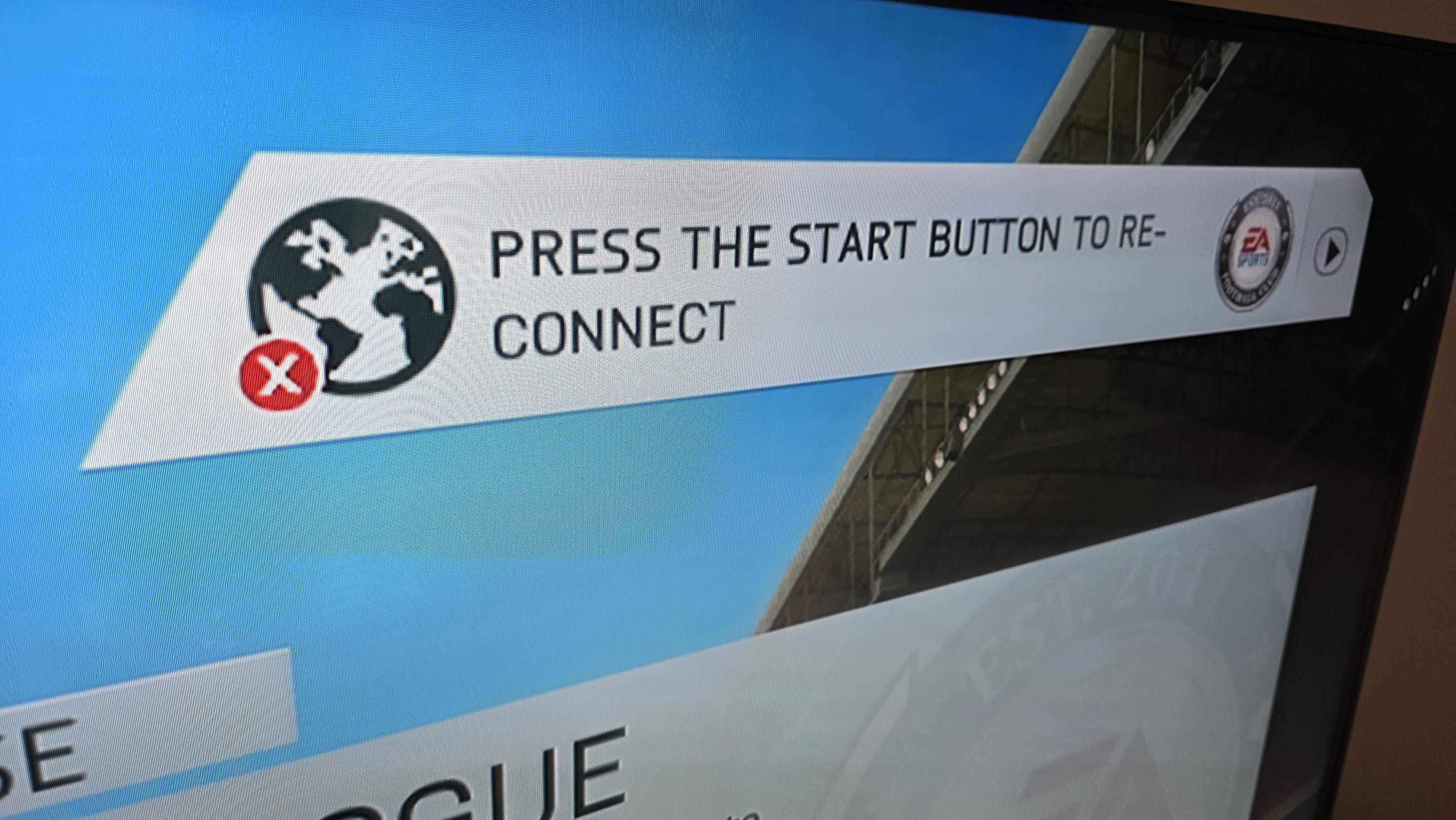
Only, for a great many titles on the Xbox 360, there were dedicated online servers, too. Pop in FIFA 16, and the game will stall for a moment before it reports that it’s failed to connect to EA’s servers. Back in the day, those servers provided a continual stream of minor updates to the game, player rosters, and stats, making it feel like almost a living thing. Today, there’s nothing out there but a request that always times out.
This would be no issue if it happened just once, but alas… you’ll have to tangle with the game doing this time and again, every time you boot it up. It wants that server, it’s so sure it’s out there… but it never phones back from the aether.
Many games still retain most of their playability without an Internet connection, and most consoles will still boot up without one. Nevertheless, the more these machines are built to rely on an ever-present link to the cloud, the less of them will be accessible many years into the future.
Not Unique
This problem is not unique to the Xbox 360. It’s common to run into similar problems with the PlayStation 3, with Sony providing a workaround to get the old consoles online. For both consoles, you’re still relying on the servers remaining online. It’s fair to assume the little remaining support for these machines will be switched off too, in time. Meanwhile, if you’re playing Pokemon Diamond on the Nintendo DS, you’ve probably noticed the servers are completely gone. In that case, you’re left to rely on community efforts to emulate the original Nintendo WFC servers, which run with varying levels of success. For less popular games, though there’s simply nothing left—whatever online service there was is gone, and it’s not coming back.
These problems will come for each following console generation in turn. Any game and any console that relies on manufacturer-run infrastructure will eventually shut down when it becomes no longer profitable or worthwhile to run. It’s a great pity, to be sure. The best we can do is to pressure manufacturers to make sure that their hardware and games retain as much capability as possible when a connection isn’t available. That will at least leave us with something to play when the servers do finally go dark.


Post Comment