TriplePundit • The Solutions Stories Our Readers Loved in 2025
This story is part of The Solutions Effect, a monthly newsletter covering the best of solutions journalism in the sustainability and social impact space. If you aren’t already getting this newsletter, you can sign up here.
The new year is laden with planning, errands, changing schedules, and the rush of post-holiday emails, but it’s also a chance to slow down and reflect. Take some time amid the hubbub to unwind and read a story (or two, or three) that TriplePundit readers loved in 2025, along with some standout coverage from other publications that we enjoyed.
We hope immersing yourself in a few of the innovative solutions taking off across the globe offers comfort, inspiration and motivation for the year ahead!
Australian mines turned dark matter labs and hydropower hubs
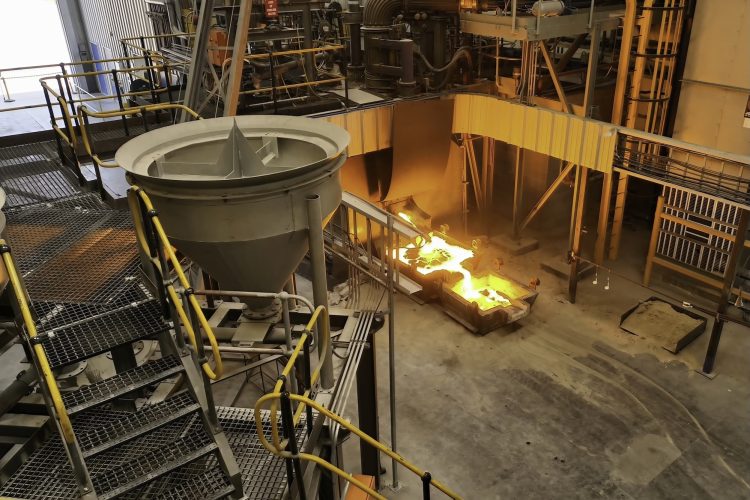
Demand for minerals like the lithium and cobalt that make clean energy possible means the world needs more mines, even with the best recycling intentions. But mines don’t produce minerals forever. When the minerals are gone, what happens to the surrounding communities? TriplePundit reporter Andrew Kaminsky sought to answer that question in our series on responsible mining solutions.
The search brought him to Australia, where the town of Stawell turned a closed gold mine into a place to study dark matter, a mysterious substance scientists don’t know much about. Now called the Stawell Underground Physics Lab, it employs some of the brightest minds in the field. Further north, a hydropower plant capable of producing thousands of megawatt-hours of energy a day hosts 900 jobs at the former Kidston gold mine. Read more.
Beer brewed from the United Kingdom’s surplus bread
U.K.-based Toast Brewing has spared over 4.1 million slices of bread from the landfill by turning them into beer. The starch in bread crumbs is an excellent alternative to that in barley, the main grain used in beer, as 3p reporter Ruscena Wiederholt covered in our series on sustainable wine, beer and spirits brands.
By offsetting about a quarter of the barley used in its brews with surplus bread from bakeries and sandwich makers, the brewery is reducing food waste and associated carbon dioxide emissions while still making a tasty pint. Plus, its recipes are open-sourced, including one for homebrewers. Read more.
Electric rickshaws offer income and agency for women in Jaipur
Though Poonam Devi has driven a bright pink electric rickshaw through the streets of Jaipur, India, for seven years, people still stare. Women rickshaw drivers are a rarity here because, in traditional Rajasthani homes, they are often confined to their neighborhoods and do not drive. Access Development Services is changing that, as journalist Geetanjali Krishna reports for Reasons to be Cheerful.
The organization trained about 200 women to drive electric rickshaws, interact with tourists, and manage a business, hoping the skills would empower them to improve their livelihoods and gain a sense of independence. Now, many of the women work together to run a rickshaw tour business that offers visitors a sustainable, authentic view of Jaipur. Some even stepped out on their own to launch other transportation businesses. Read more.
Data centers heat homes in the Nordics
Data centers, and their incredible thirst for energy, are taking over the news as communities everywhere navigate their economic and environmental impacts. The cold temperatures in Nordic countries are particularly appealing for data center developers looking to keep their facilities cool. To sweeten the development deal, the centers can also pump waste heat produced by the technology housed inside to warm up local homes, journalists Lars Paulsson, Kari Lundgren and Kati Pohjanpalo report for Bloomberg.
In Mantsala, Finland, one data center heats roughly 2,500 homes, meeting two-thirds of the town’s needs. That doesn’t mean the facility is good for the environment, but it does help reduce the negative impact. Read more.
Local businesses buy employee housing in North Carolina
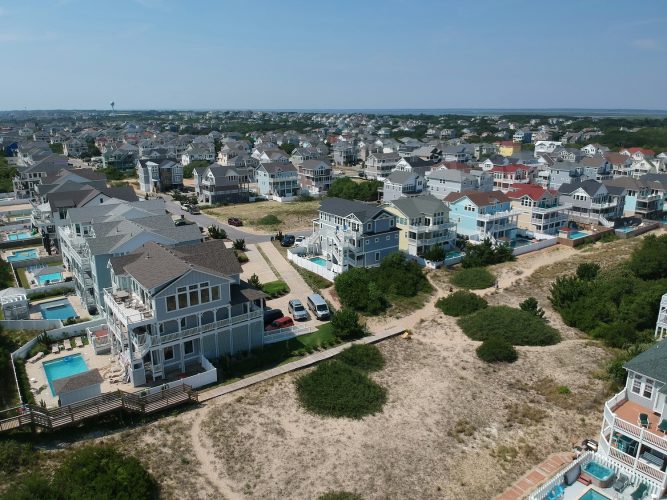
North Carolina’s Outer Banks is a tourism hotspot. The 200-mile stretch of islands boasts thousands of vacation rental homes that fill up every summer. But the bustling industry that helps make life on the islands possible is also pushing out the residents who staff local businesses, including the vacation home rental companies themselves, as I reported in a previous edition of The Solutions Effect.
While the region looks for long-term solutions to its affordable housing crisis, local business owners are investing in their employees by purchasing subsidized housing. One vacation rental company even reopened a school, the only one within an hour’s car ride, to make it easier for families to live in the northern Outer Banks. Read more.
Chefs take on food insecurity in Philadelphia
Matthew Stebbins is the founder and executive director of Double Trellis, a Philadelphia-based initiative that offers nutritious, restaurant-quality meals to people facing food and housing insecurity in the city. Before that, he trained as a chef under a James Beard nominee and worked at a restaurant named one of the top 10 in the nation, journalist Ben Seal reports for Civil Eats. At that time, Stebbins was also unhoused and struggled to access food and treatment for drug and alcohol addictions. He uses that experience to inform the work at Double Trellis.
The initiative focuses on improving the quality of food people receive from food banks, soup kitchens and other organizations. At the same time, Double Trellis has become a refuge for chefs looking for a way out of the fear-based, oppressive culture of many white-coat kitchens. Read more.
Tracing the global solar energy revolution
Did you know the first practical solar cell was introduced just 71 years ago? Back then, it cost more than $1,500 per watt, which wasn’t exactly practical for widespread use, as senior writer Tina Casey reported for our 20th anniversary series exploring the evolution of the global sustainability space.
From former U.S. President Jimmy Carter installing solar panels on the White House roof in a show of support for the burgeoning energy source, to solar becoming the most economical and fastest way to meet electricity demand, the technology has come a long way. And its transformation is just getting started. Read more.
The budding Future Design movement in Japan
A new governing framework that encourages decision-makers to consider the well-being of future generations is taking off in Japanese towns. Coined by Japanese economist Tatsuyoshi Saijo, Future Design bridges gaps between generations by using roleplay to foster solidarity and empathy. The concept was first adopted in Yahaba Town, where 80 percent of current policies were created by people with Future Design training.
In one example, younger and older residents attended a session in which they were asked to imagine living in the town in 2060. Later, they discussed what policies should be implemented now to improve that imagined future. Reporter Jasmine Hardy told the story of that session and explored the potential of Future Design in a piece for Atmos. Read more.
In the United States, gay rodeos welcome everyone without judgment
The country’s first gay rodeo was held in Reno, Nevada, in 1976 as a way to enter the sport loud, proud and without judgment. Today, the events take place across the country, opening their doors for all LGBTQ+ people interested in the sport and anyone looking for a judgment-free way to join in, journalist Orion Rummler reports for The 19th.
The community created a safe space for rural LGBTQ+ people while bringing queerness further into the mainstream. The events rebuke old-fashioned ideas of who can be a cowboy. “We have a lot of straight people that come, nonbinary people, gender-nonconforming individuals, anybody can come. If they want to be a cowboy or cowgirl, then that’s what we’ll help you be,” Brian Helander, president of the International Gay Rodeo Association, told the 19th. Read more.
The Colorado company behind outdoor brands’ resale programs
You may be familiar with the secondhand resale storefronts of brands like The North Face, Patagonia, Dr. Martens, Lululemon and Eileen Fisher. But another, smaller brand in Colorado makes these programs possible. Tersus Solutions uses a unique liquid carbon dioxide cleaning technology to keep the brands’ apparel in circulation without damaging water repellent coatings or fading colors.
Journalist Elsa Wenzel covered the company’s cleaning and repair process for Trellis, taking readers on a tour of the facility through photos. We even get a look at the massive high-pressure washing machines that clean 100 pounds of clothing per load by turning liquid carbon dioxide into gas. Read more.
Featured image credit: Ethan Howard/Unsplash


Post Comment