TriplePundit • Can Worms Help Fight Antimicrobial Resistance?
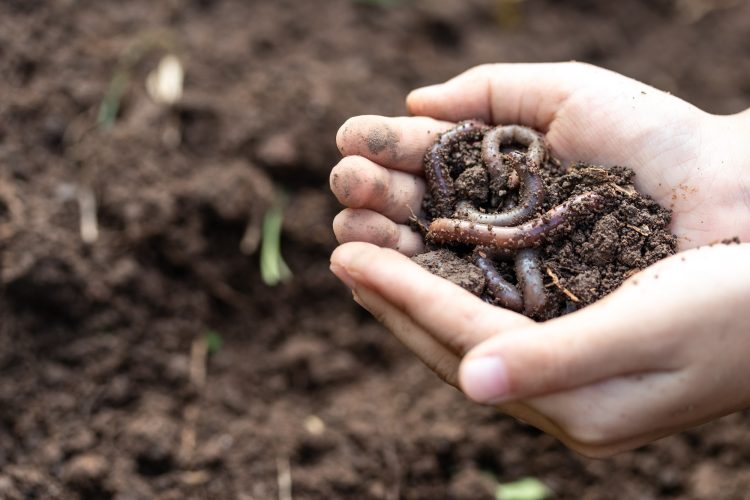
Farmers and gardeners use vermicomposting to create a nutrient-rich soil enhancer with a little help from earthworms, but new research indicates the practice could also help tackle a growing global health crisis: antimicrobial resistance.
What is antimicrobial resistance, and why is it a threat to human health?
Doctors have used antibiotic and antifungal medications to treat infection for a century. But like all living things, microbes — or microorganisms — such as bacteria and fungi are wired for survival. The more they’re exposed to antibiotics and antifungals, the more they develop genes that are resistant to these medications.
The World Health Organization has raised the alarm about the rise of antimicrobial resistance as a leading threat to public health. “Antimicrobial resistance (AMR) is widespread and increasing, threatening decades of medical progress and putting the health of people, animals, plants, and ecosystems at risk. Antibiotics that once reliably cured common infections are rapidly losing effectiveness,” the agency warned in November. “AMR is already responsible for more than a million deaths each year, with the toll expected to climb in the coming decades.”
The use of antibiotics and antifungals in the livestock industry is a leading source of antimicrobial resistance, as bacteria and fungi carrying resistant genes pass from the stomachs of treated animals into the environment and food systems.
National health agencies including the U.S. Centers for Disease Control and Prevention outline procedures for farmers to reduce or eliminate opportunities for resistant genes to escape. New research adds vermicomposting to the prevention toolkit.
In vermicomposting, earthworms eat through manure and other organic waste to produce a natural, nutrient-rich soil enhancer called worm casts. Similarly, “earthworms could become unexpected allies in the global fight against antibiotic resistance by helping farmers turn manure into safer, high-value organic fertilizer,” researchers at Shenyang Agricultural University in China reported in December.
Earthworms are natural environmental engineers
The study found that vermicomposting can reduce resistant genes by approximately 70 to 95 percent. “Earthworms are not just passive decomposers, they are active engineers of a safer microenvironment,” Fengxia Yang, corresponding author of the paper, said in a statement.
The process by which earthworms reduce resistant genes rests partly on their burrowing behavior. They aerate the manure, creating an oxygen-rich environment that is inhospitable to gene-carrying bacteria. “Inside the earthworm gut, mechanical grinding, digestive enzymes and a specialized microbiome further damage resistant bacteria and disturb both intracellular and extracellular DNA,” the researchers found.
Even further, earthworm secretions called coelomic fluids directly attack unwanted genes on farms. “Laboratory studies cited in the review show that coelomic fluid can cut multidrug resistant [E. coli] populations by several orders of magnitude within hours and remove over 90 percent of extracellular resistance genes through DNA cutting activity,” Shenyang Agricultural University noted in a media release.
While talk of worms and excrement may sound pretty gross to the average person, the findings are compelling for those fighting to contain the spread of antimicrobial resistance before it’s too late. “By reshaping microbial communities and disrupting gene transfer, they help cut the chain of antibiotic resistance spread from farms to people,” Yang said.
Putting nature to work
In the United States, the extension offices of the Department of Agriculture already educate farmers about the more traditional benefits of vermicomposting.
The natural aeration ability of worms can replace aeration equipment, for example, reducing costs and saving labor. Vermicompost is also more efficient at stimulating plant growth than conventional compost, without the expense of nitrogen supplements. Further cost savings can result from the faster decomposition time of vermicompost, enabling farmers to deploy or sell their compost more quickly.
But vermicomposting comes with challenges. The red worms preferred for vermicomposting can be costly, and the worms also need care throughout the year.
Still, the market shows signs of growth globally, especially in India and China, where the goverment actively supports vermicomposting. In a newly released market analysis, the Indian firm Introspective Market Research estimates that the value of the global vermicompost market is poised for “substantial growth,” rising from roughly $88 billion in 2023 to $335 billion by 2032.
With demand for vermicompost on the rise worldwide, the practice has emerged as an anti-poverty solution in rural areas, one example being the village of Joynagar in Bangladesh. “What began as a small-scale initiative with a modest investment has evolved into a thriving business — symbolizing empowerment, sustainability and resilience,” reported BSS News, the state-owned news agency in Bangladesh.
Here in the U.S., interest in vermicompost is mainly limited to home gardeners and specialty farmers, but commercial development is on the rise.
In 2024, for example, the Central Coast Worm Farm in Hollister, California, received a $4 million grant from the U.S. Department of Agriculture to produce almost 160,000 tons of vermicompost per year, enough to supply 28,000 acres of farmland. The global vermicompost supplier Worm Power got a $900,000 grant from the USDA last year to expand in its home state of New York, where tens of millions of red worms are already at work.



Post Comment